Slate Electric Vehicle Explained Features, Technology, and the Future of Affordable EVs
Electric Vehicles
|
April 20, 2026
The Slate Electric Vehicle has gained attention as a new entrant in the evolving affordable electric vehicle market. Developed by Slate Auto, the compact EV project focuses on simplicity, customization, and cost-conscious electric mobility rather than competing directly with premium electric vehicles. As automakers continue exploring ways to make EVs more accessible, Slate’s approach highlights a growing industry trend toward smaller, more practical, and potentially lower-cost electric vehicles.
Unlike many electric vehicles that emphasize luxury features and advanced technology, the Slate EV is designed around a minimalist concept that allows owners to personalize the vehicle according to their needs. Its development reflects broader changes in the automotive industry, where affordability, manufacturing efficiency, and battery innovation are becoming increasingly important factors in EV adoption.
1. What Slate Auto Is Building
Slate Auto embodies the vision of transforming the automotive industry by prioritizing sustainability, innovation, and exceptional user experience. The development of the Slate Electric Vehicle is central to this mission, aimed at meeting the needs of modern drivers seeking eco-friendly alternatives without sacrificing performance. Slate Auto’s objectives go beyond traditional transportation, positioning themselves at the forefront of a lifestyle movement that aspires for all vehicles to contribute positively to the environment.
A noteworthy highlight of their lineup is the Slate Truck concept, which is characterized by its modular design, enabling extensive customization that caters to both professional and recreational demands. Advanced battery technology empowers the Slate Truck to provide exceptional range compared to traditional electric vehicles, while its autonomous driving features augment safety and enhance driving comfort. The ultra-light chassis not only boosts efficiency but also establishes new benchmarks for durability. By integrating innovative engineering with customer-centric design, Slate Auto is not simply launching another vehicle; they are pioneering an entirely new segment within the electric utility market, ensuring every journey is not only efficient but enjoyable and environmentally friendly as well.
2. Slate EV Key Specifications and Design Approach
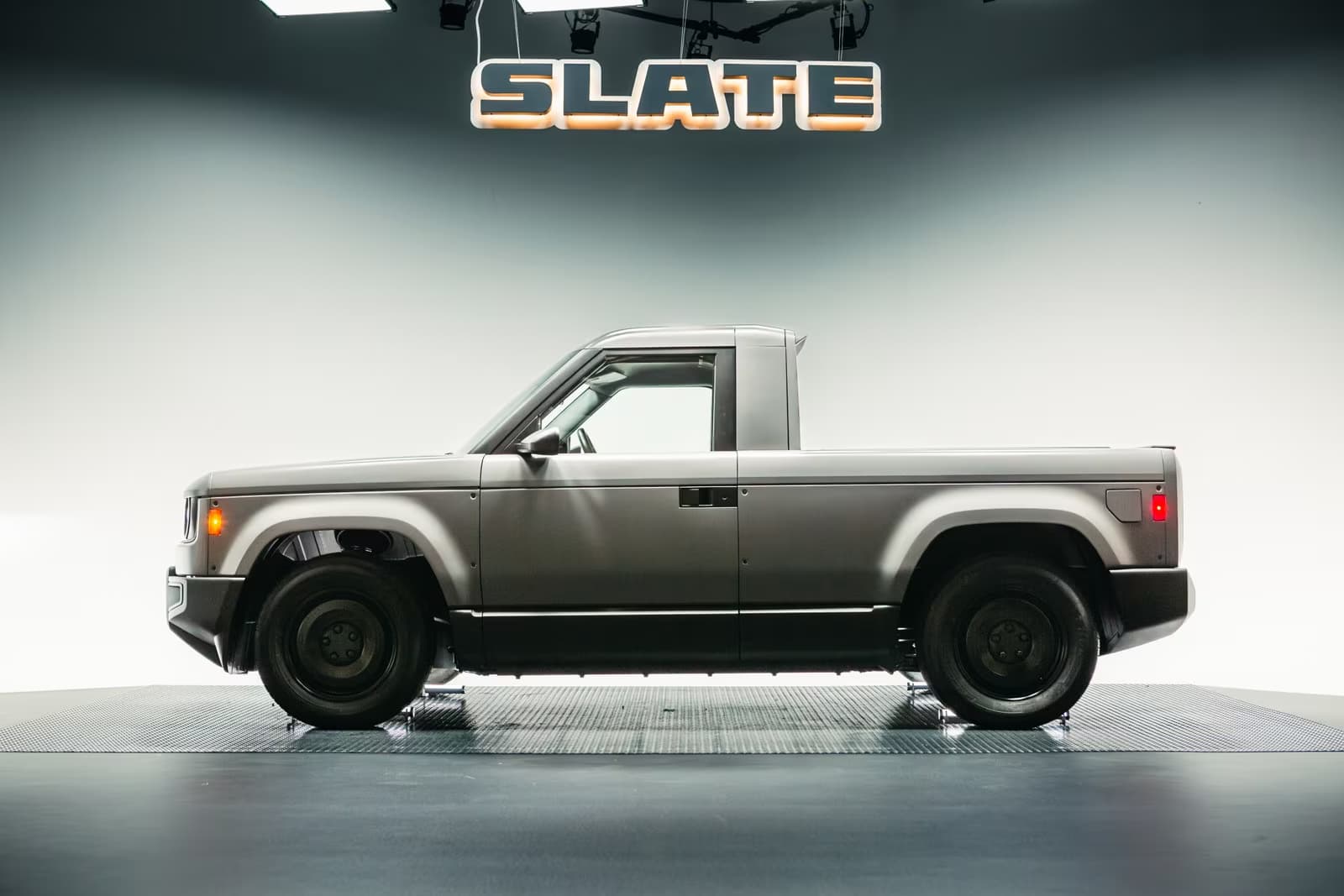
The Slate Electric Vehicle focuses on affordability, simplicity, and customization rather than competing with premium electric vehicles. As a compact electric pickup truck developed by Slate Auto, the vehicle is designed around a minimalist approach that aims to make EV ownership more accessible to a broader range of consumers.
The Slate EV is expected to start at around $24,950, positioning it among the most affordable electric vehicles in development. Instead of prioritizing luxury features, Slate emphasizes cost efficiency through a simplified vehicle design, practical functionality, and a flexible customization system.
The vehicle is expected to offer an estimated driving range of approximately 205 miles, making it suitable for everyday commuting and practical urban use. Its battery strategy focuses on balancing affordability and efficiency rather than maximizing range, reflecting Slate’s goal of creating a lower-cost electric vehicle option.
Unlike many larger electric trucks and SUVs that use all-wheel-drive systems, the Slate EV is designed around a rear-wheel-drive configuration. This approach helps reduce production complexity while supporting the vehicle’s lightweight and efficient design philosophy.
For charging, the Slate EV is expected to use the North American Charging Standard (NACS) connector, allowing compatibility with an expanding network of charging infrastructure. This aligns with the broader industry shift toward greater charging standardization in North America.
One of the vehicle’s most distinctive features is its modular customization approach. Rather than offering numerous expensive factory configurations, Slate allows owners to personalize the vehicle through accessories and conversion options. This design philosophy enables the same base vehicle to serve different purposes, from daily transportation to utility-focused applications.
The Slate EV is currently expected to begin deliveries in late 2026, with the company continuing development and production preparation before entering the wider electric vehicle market.
The specifications for the Slate Electric Vehicle presented in the table are largely confirmed, especially regarding the battery type, drivetrain, and estimated range. However, aspects pertaining to pricing, conversion options, and delivery schedules may be prone to change based on market dynamics and manufacturing processes. Interested buyers should stay attuned to updates from Slate Auto to ensure they remain informed about any changes to these details as the release date approaches.
3. Customization from Pickup to SUV
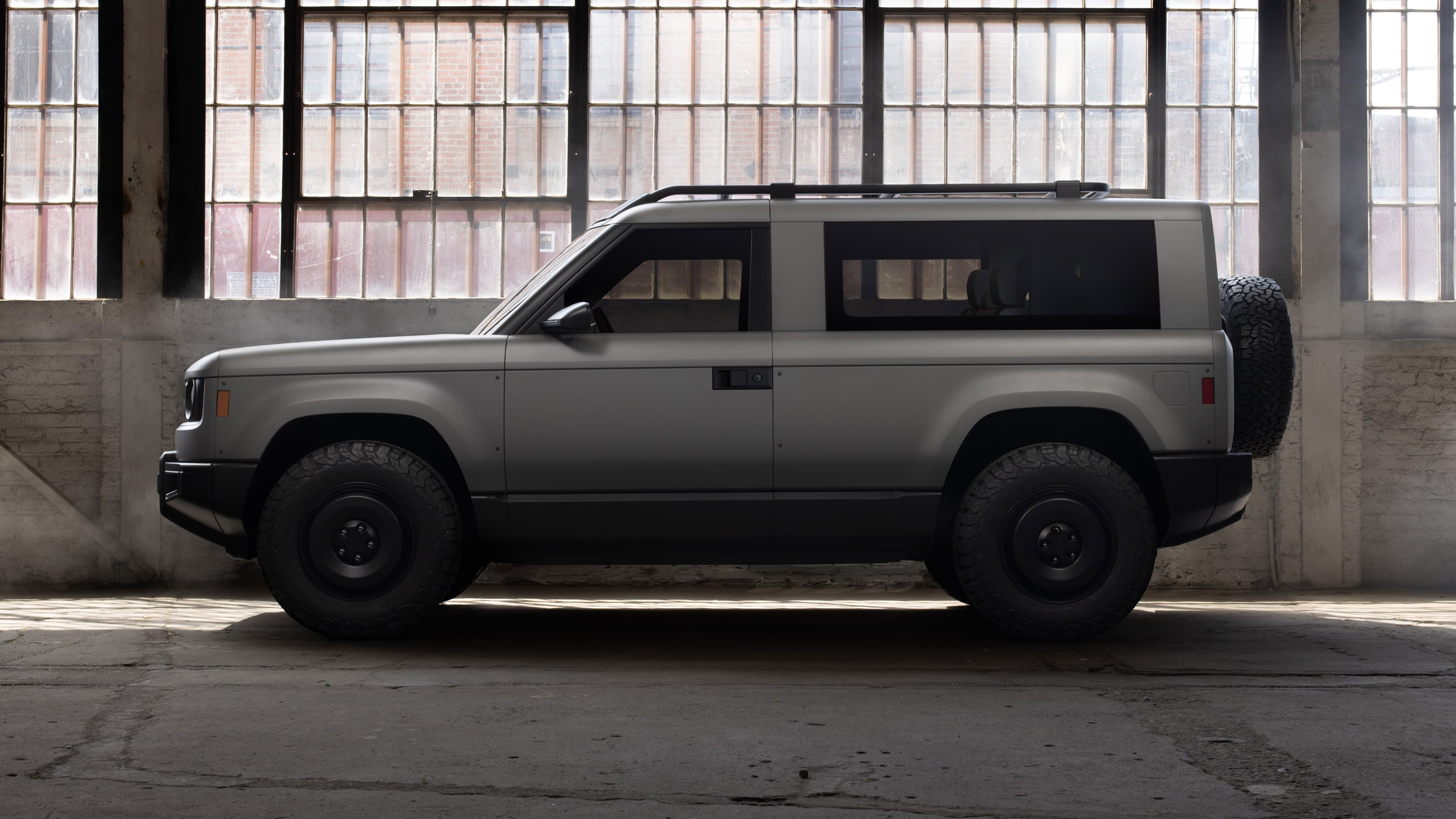
The Slate Electric Vehicle provides impressive customization options that allow buyers to modify their vehicle from a conventional pickup to a highly versatile SUV. The base model establishes a strong foundation with functional features, but the optional enhancements can greatly cater to the user’s varying needs.
For example, transforming the Slate into a pickup variant complete with a rugged bed liner and heavy-duty towing package makes it ideal for professionals or adventurers alike. Conversely, by adding a panoramic sunroof, luxurious leather seating, and a state-of-the-art infotainment system, the Slate evolves into a family-oriented SUV. Additionally, the provision of removable storage bins and adaptable seating can facilitate road trips and weekend excursions. It’s essential to keep in mind that these configurations not only enhance functionality but can also influence the vehicle’s overall cost; options such as all-wheel drive systems and upgraded safety features may significantly impact the base price.
With this level of versatility, a Slate Electric Vehicle can effectively serve different needs—be it a daily commute, a weekend adventure, or specialized business usage—making it a compelling choice for a diverse range of consumers. This combination of practicality and personalization guarantees that buyers are equipped with a vehicle that suits their specific lifestyles.
4. Slate EV Pricing Strategy and Market Position
One of the most notable aspects of the Slate Electric Vehicle is its focus on affordability. Unlike many electric vehicles that compete in higher price segments, Slate Auto is positioning its EV as a more accessible option for consumers who are interested in electric mobility but remain concerned about high purchase costs.
The vehicle is expected to start at approximately $24,950, placing it among the most affordable EVs currently under development. This pricing strategy reflects Slate’s broader approach of simplifying vehicle design, reducing unnecessary complexity, and allowing customers to customize their vehicles through optional accessories rather than including expensive features as standard equipment.
Instead of following the traditional automotive model of offering multiple premium trims, Slate emphasizes a flexible ownership concept. Buyers can personalize their vehicles with different configurations and accessories based on their individual needs, potentially helping reduce the initial purchase price while maintaining customization options.
As the vehicle remains in development, final pricing details, available configurations, and regional fees may vary when production begins. Slate Auto is currently targeting initial deliveries in 2026, meaning official purchase processes and delivery timelines are expected to become clearer closer to the production launch.
The company’s pricing strategy highlights a broader trend within the EV industry: making electric vehicles more affordable by focusing on efficiency, simplified manufacturing, and practical transportation rather than premium features. If successful, the Slate EV could demonstrate how lower-cost EV models may help accelerate wider adoption of electric mobility.
5. Independent First Impressions versus Manufacturer Claims
My recent test drive of the Slate Electric Vehicle left a profound impression. Approaching the sleek and aerodynamic exterior, I was immediately struck by its modern design. Upon entering the vehicle, I was greeted by an intuitive dashboard interface that aligned perfectly with the manufacturer’s claims. However, beyond aesthetics, the comfortable seating and spacious layout significantly heightened my anticipation.
Nevertheless, it became crucial to differentiate between the manufacturer’s lofty claims and the tangible realities during my ride. The vehicle boasts a remarkable range of 300 miles on a single charge—a figure that’s undeniably appealing on paper. Yet, during my urban-centric drive, interspersed with highway stretches, I noticed that the range dwindled more towards 240 miles, influenced by my driving habits and external conditions. Regarding acceleration, while the manufacturer specifies a 0-60 mph time of 4.5 seconds, my experience brought it closer to the 5-second mark during trial runs. Therefore, while the Slate Electric Vehicle captivates attention, potential buyers need to consider both the manufacturer’s assertions and real-world performance outcomes before arriving at a purchasing decision.
6. Who the Slate May Suit and Who Should Wait
The Slate Electric Vehicle (EV) particularly appeals to eco-conscious individuals looking to mitigate their carbon footprint while driving a sleek and innovative vehicle. Urban residents who prioritize efficient transportation and families interested in the latest safety features will find the Slate advantageous. Consumers motivated by sustainability and keen to embrace the latest advancements in automotive technology will likely be inclined to act swiftly and invest in this progressive vehicle.
On the other hand, potential purchasers may want to pause and reflect upon their utility needs and lifestyle choices. If one’s daily driving habits regularly exceed the Slate’s range, or if large item transportation is a necessity, it might be wise to wait for further information regarding future enhancements or alternative models that could better meet specific requirements. Moreover, individuals less familiar with electric vehicles may want to delay their decision until they feel adequately informed about charging networks and battery life. Overall, early adopters and those with environmental concerns will find the Slate an appealing option, while more pragmatic customers focusing on utility may take a more cautious approach.
7. Alternatives and Comparison Cautions
When contemplating the Slate Electric Vehicle, buyers should also investigate other affordable electric vehicles and compact pickups available on the market, like the Hyundai Kona Electric, Nissan Leaf, and Ford Maverick. Each of these alternatives boasts unique features and price points, providing viable comparisons in the burgeoning EV sector. For example, the Hyundai Kona Electric offers a robust range and quick charging capacities, targeting consumers who emphasize travel distance and convenience, while the Nissan Leaf presents a well-rounded option recognized for its reliability.
However, individuals should approach their selection process with prudence. Initial assessments might suggest one model is superior to another—yet various factors, including local incentive availability, charging infrastructure, and individual driving requirements, can greatly influence overall satisfaction.
Many consumers may be inclined to choose based solely on attractive specifications and promotions advertised by manufacturers, but impulsive decisions could lead to dissatisfaction in the long run. It is vital to invest time in thorough research, garner diverse perspectives, and, where possible, undertake test drives to ensure informed choices that align with personal lifestyles and financial considerations.
The Future of Slate EV and Affordable Electric Mobility
The Slate Electric Vehicle represents a different approach to the growing electric vehicle market by focusing on affordability, simplicity, and customization. Rather than competing with premium EVs that emphasize advanced features and luxury experiences, Slate aims to explore how electric transportation can become more accessible to a wider range of consumers.
As the EV industry continues to evolve, factors such as battery technology, manufacturing efficiency, charging infrastructure, and production scale will play important roles in determining the success of affordable electric vehicles. Slate’s development reflects a broader industry movement toward creating practical EV solutions that address cost concerns while supporting the transition to cleaner transportation.
While the vehicle’s final specifications, pricing details, and production timeline will continue to develop, the Slate EV highlights an important question for the future of mobility: how can automakers make electric vehicles more affordable without compromising usability?
As electrification expands globally, vehicles like the Slate EV demonstrate the growing diversity of approaches shaping the next generation of transportation.
Related Posts

Best Car Accessories for Women Style, Safety Everyday Comfort
Car Bluetooth Adapters A Practical Guide to Upgrading Your Car Audio Experience
Wireless Car Chargers A Practical Guide to Choosing Fast and Reliable Charging on the Road

10 Must-Have Car Accessories for Rainy Season That Actually Keep You Safe
Luxury Looks, Affordable Price The Best New Cars You'll Love Driving in 2026